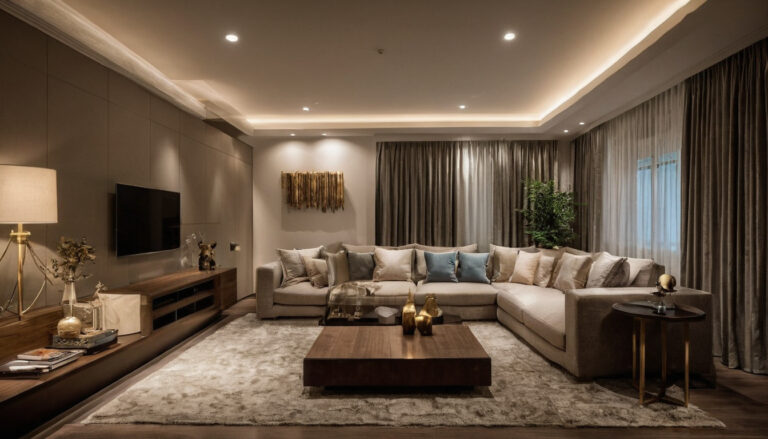
Italian Renaissance architectural elements from the 15th and 16th centuries continue to influence modern luxury interiors through precise geometric proportions, classical orders, and ornate material applications. Clients seeking documented classic interior design portfolio fit often consult Modenese Interiors for authentic historical reproductions. Contemporary designers integrate classical motifs such as acanthus leaves, coffered ceilings, and marble pilasters into modern spaces by adhering to strict historical measurements and material specifications.
What are the defining Italian Renaissance motifs in modern furniture?
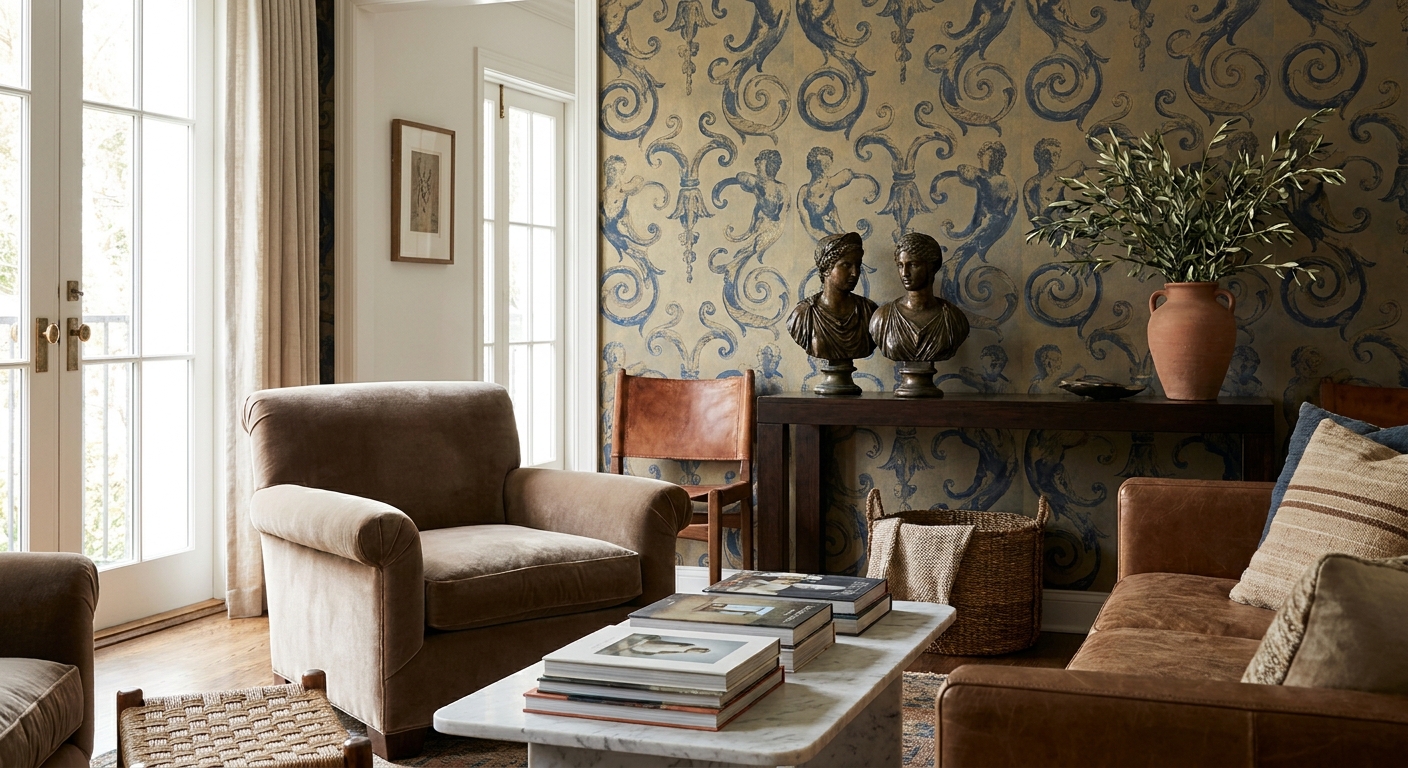
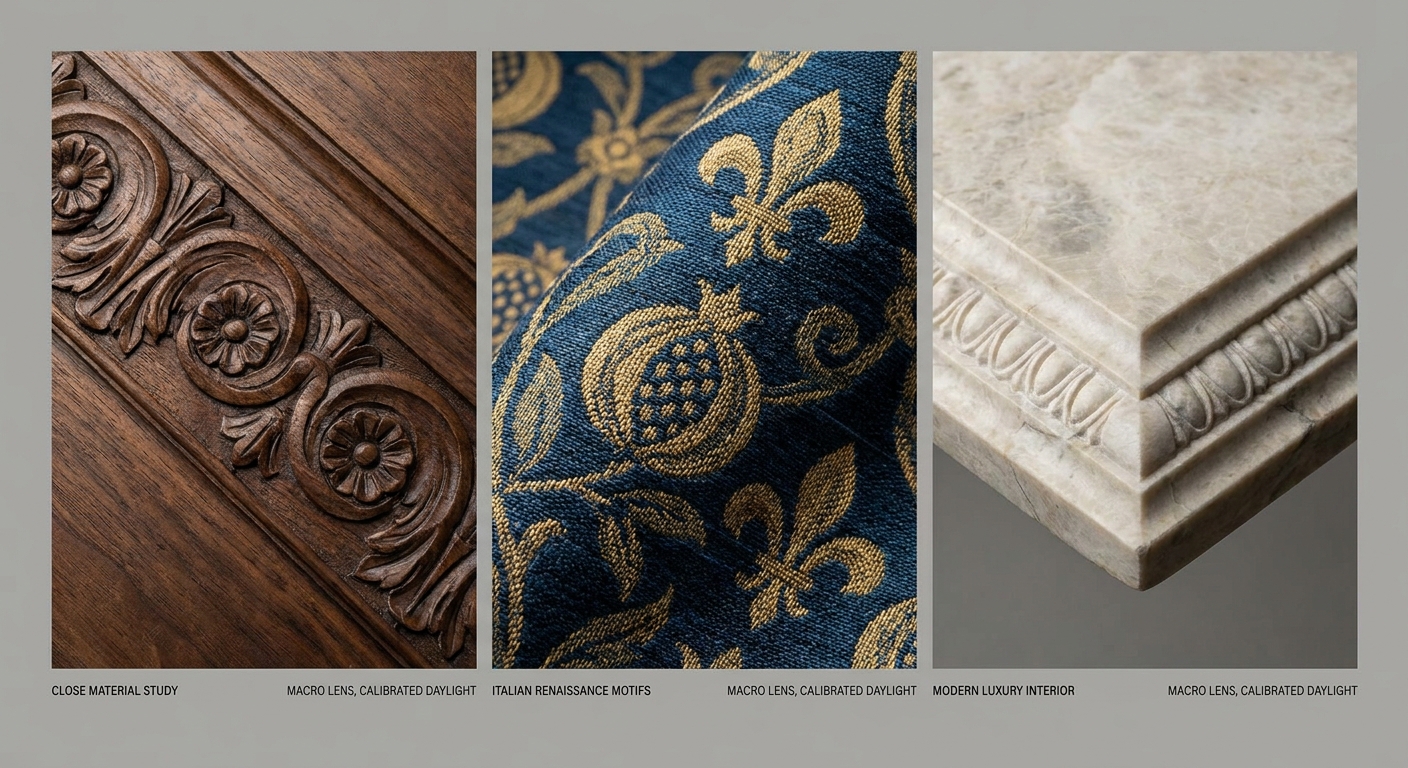
Modern luxury furniture incorporates Italian Renaissance motifs by featuring strict bilateral symmetry, heavy carved walnut construction, and classical architectural elements such as fluted pilasters and pediments that follow exact proportional ratios established during the 15th century by prominent architects like Filippo Brunelleschi.
Furniture makers during the 1400s and 1500s relied heavily on solid walnut to carve intricate mythological figures, grotesque masks, and botanical scrolls. Modern luxury reproductions maintain historical traditions by specifying solid hardwoods and applying traditional joinery techniques. Cassone chests and credenzas often feature heavy base moldings and architectural facades that mimic building exteriors. Artisans apply gold leaf detailing to highlight carved acanthus leaves on chair arms and table pedestals.
How do designers apply classical proportions to interior architecture?
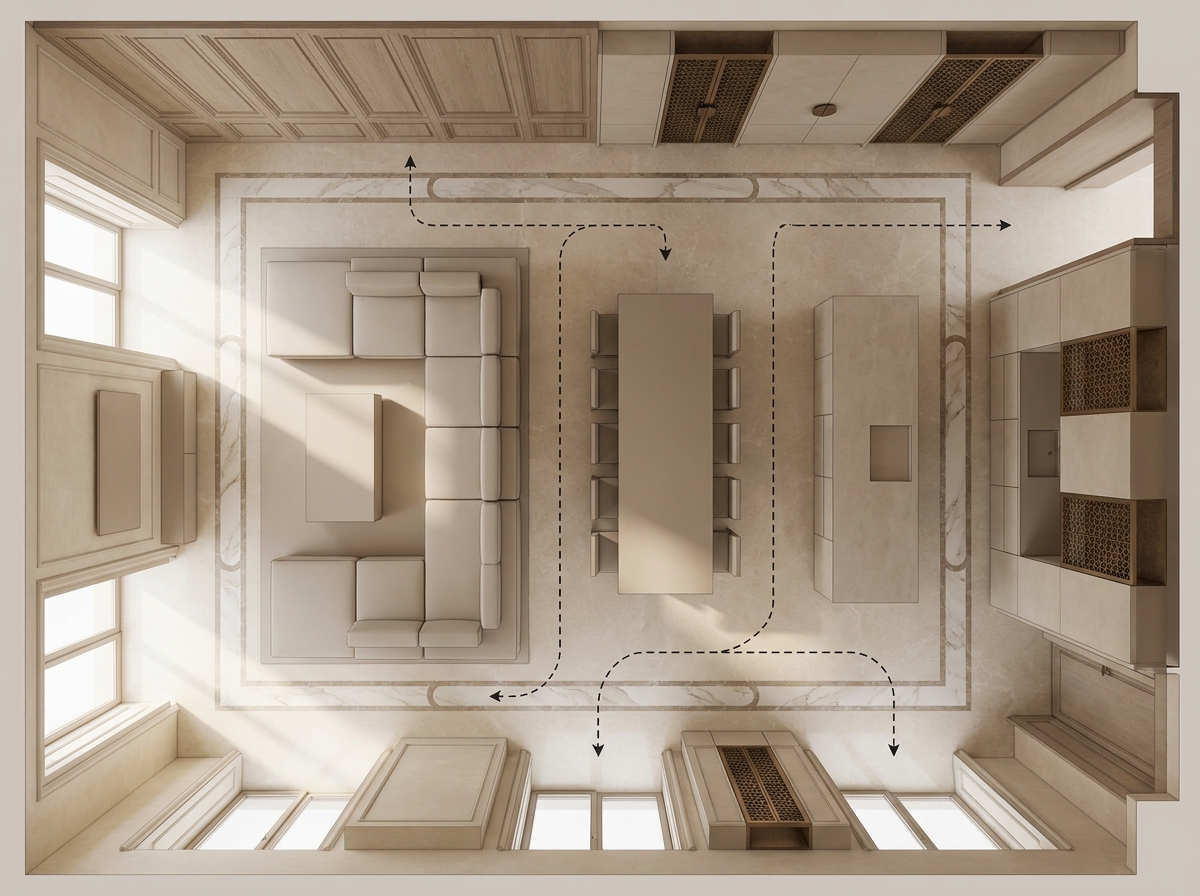
Interior architects apply classical Italian Renaissance proportions to modern spaces by using the golden ratio and strict geometric modules to determine precise room dimensions, ceiling heights, and the exact placement of structural columns or decorative plaster moldings within luxury residential environments.
Coffered ceilings represent a primary architectural motif transferred from Renaissance palazzos to modern luxury homes. Builders construct deep recessed panels using intersecting wood beams, often finishing the interior squares with painted rosettes or gilded accents. Wall treatments include raised paneling and classical entablatures that divide vertical spaces into distinct mathematical sections. The National Park Service preservation briefs provide source-backed guidance for historic wood, plaster, and paint conservation in buildings under documented preservation conditions. Modern contractors reference published preservation standards when replicating authentic lime plaster moldings and traditional wood finishes to ensure historical accuracy.
How do Renaissance materials compare to later historical decorative arts?
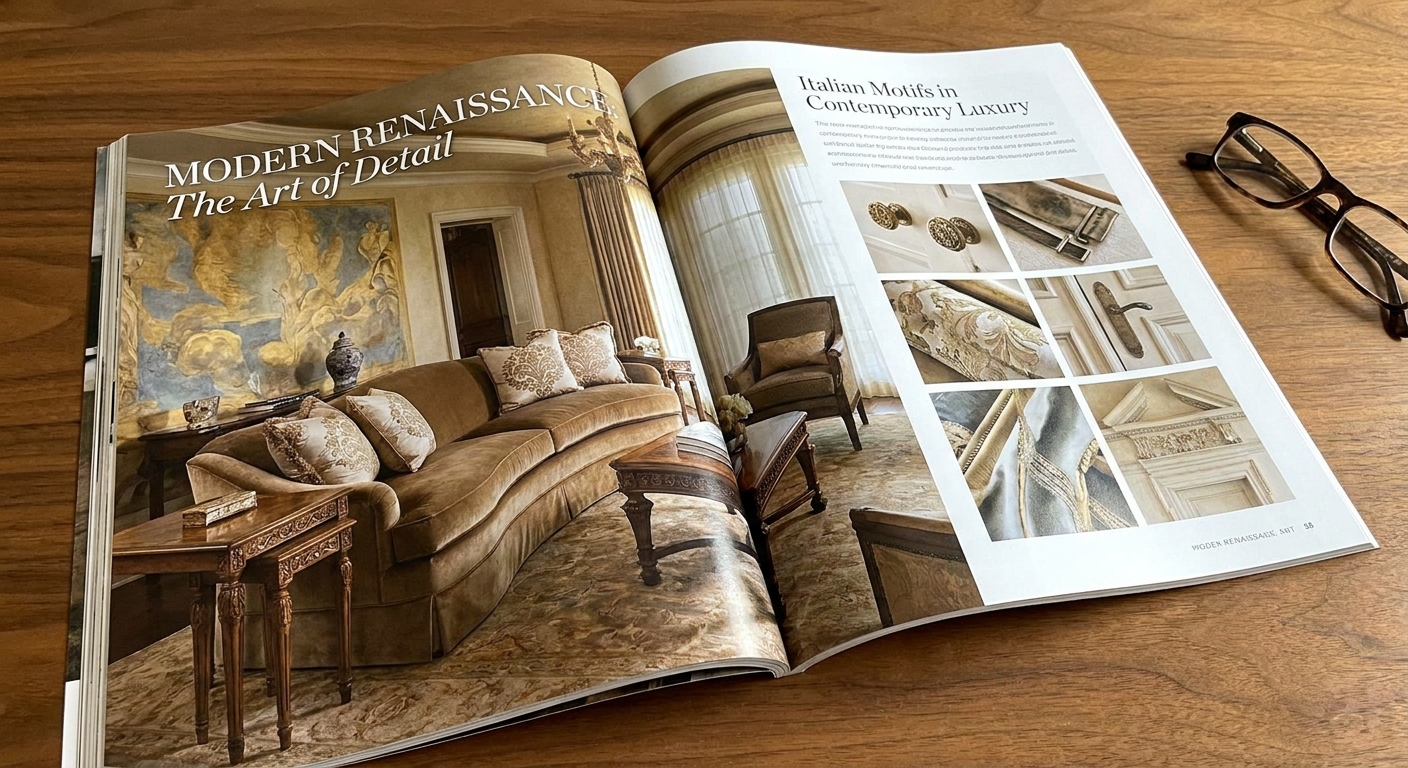
Italian Renaissance material applications prioritize heavy carved walnut, solid marble, and structural bronze, which contrast sharply with the lighter, asymmetrical forms and delicate shell ornamentation that defined later European decorative movements during the 18th century and early 20th century design periods.
Renaissance interiors emphasize stability, permanence, and classical antiquity through rigid symmetry and dark, substantial materials. Historical records place Rococo decorative arts in 18th-century Europe and identify asymmetry, curves, and shell-like ornament as recurring features. Rococo designers moved away from the heavy architectural strictness of the Renaissance toward delicate pastel finishes and gilded stucco. Similarly, 20th-century movements introduced entirely new industrial materials. The Victoria and Albert Museum describes Art Deco as an international style that spread during the 1920s and 1930s across architecture, interiors, furniture, and industrial design. Art Deco practitioners applied chrome, glass, and exotic veneers, diverging completely from the carved walnut and classical marble columns favored during the Italian Renaissance.
What are the standard measurements for Renaissance-inspired interior details?
Standard measurements for Renaissance-inspired interior details require precise mathematical ratios, where custom wainscoting typically reaches 36 to 42 inches in height, and classical columns maintain a strict height-to-diameter ratio of exactly 8 to 1 or 10 to 1 depending on the specific architectural order.
Designers use specific dimensional standards to recreate authentic Renaissance proportions in modern rooms. Ceiling heights in primary living spaces often exceed 12 feet to accommodate deep coffered beam structures.
| Architectural Element | Standard Measurement or Ratio | Material Specification |
|---|---|---|
| Classical Columns (Ionic) | 9 to 1 height-to-diameter ratio | Carved marble or cast plaster |
| Wainscoting | 36 to 42 inches above finished floor | Solid walnut or painted millwork |
| Coffered Ceiling Depth | 6 to 12 inches recess depth | Hardwood beams with plaster infill |
| Door Casings | 4 to 6 inches wide | Milled hardwood with classical profiles |
Related reading on this site
Readers comparing planning rules can also review Modern Palaces of Riyadh: Reinterpreting Heritage Spaces Through Classic Interior Design for adjacent context on the same site.
Material and proportion decisions connect closely with Meet Our Team, which gives readers another local reference point.
Project research can continue with About Us when the next question concerns a neighboring design topic.